The History of Sauna: From Ancient Rituals to Modern Wellness
Across time and geography, people have gathered around heat for comfort, healing, and connection. The sauna has always been a place where warmth softens the body, quiets the mind, and opens the door to community. Its story reaches back thousands of years, touching nearly every corner of the world.
This journey answers the timeless question who invented the sauna and explores how ancient bathing rituals evolved into one of today’s most beloved wellness practices. From fire warmed pits to modern electric and infrared rooms, the history of sauna shows how heat has shaped traditions, rituals, and relationships across generations.
The Origins of the Sauna
Prehistoric and Early Pit Saunas
The earliest known saunas date back over 10,000 years. These prehistoric structures were simple pit saunas dug into the earth. A fire heated stones placed in the center, water was tossed onto the stones to create steam, and the entrance was covered with peat, hides, or thatch.
These early heat chambers were not just practical. They were communal spaces used for cleansing, recovery, and spiritual ceremony. In many early societies, the sauna was viewed as a place where earth, fire, water, and air met in harmony. This ancient tradition laid the groundwork for the global history of sauna that followed.
The Birthplace Finland and Northern Europe
Finland is widely recognized as the answer to which country invented the sauna. While forms of heat bathing existed elsewhere, the Finnish sauna is the root of the modern sauna experience. Archaeological evidence ties sauna origin stories to Stone Age communities where saunas served many roles - bathing rooms, healing spaces, birthing rooms and even sanctuaries where families prepared the dead for burial.
Central to Finnish sauna culture is the word löyly which refers to the gentle spirit or steam rising from the stones. Löyly symbolizes both purification and presence and remains one of the most cherished concepts in sauna tradition. Asking where did sauna originate leads directly to Finland where the practice became both a cultural identity and a way of life.
Sauna Traditions Around the World
Turkey The Hammam Tradition
Turkey’s hammam tradition grew out of Roman thermal bathhouses. Over time, the hammam became a cornerstone of social and religious life. Marble rooms, warm steam, silk wraps, and skilled attendants created a ritual of cleansing and care. The hammam reflects the same human desire found in all sauna traditions restoration, connection, and community.
Russia The Banya Experience
The Russian banya is known for its intensity and deep cultural roots. Steam filled rooms create high humidity, venik bundles of birch or oak are used to stimulate circulation, and bathers move between heat and icy water or snow. The banya blends social gathering with spiritual cleansing and stands as one of the most famous global examples of heat and cold working in harmony.
Sweden The Bastu
The Swedish bastu shares similarities with the Finnish sauna but has its own story. Public saunas were banned in the 18th century which shifted bathing rituals into private homes. Traditions like isvak winter dips through holes cut into frozen lakes persist today. Bastu culture emphasizes relaxation, simplicity, and connection with nature.
Native America Sweat Lodges
Many Indigenous tribes hold sweat lodge ceremonies known as Inipi or similar names depending on the nation. These structures are dome shaped and covered with hides or natural materials. Heated stones are placed inside and guided practices include chanting, prayer, and ceremony. The sweat lodge is a sacred space where purification, rebirth, and spiritual connection take center stage.
East Asia Korean Jjimjilbang and Japanese Bath Culture
Korean jjimjilbangs are vibrant community hubs combining various heat rooms, rest zones, and areas for food and sleep. They blend family culture with wellness.
Japan’s sento and mushi buro traditions have roots in Buddhist temples. Bathing is ritualized and centers on cleansing, quiet focus, and respect for nature. While different from Finnish saunas, these traditions share the same foundation heat as medicine for body and mind.
Other Global Traditions
Germany values coed nudist sauna culture focused on hygiene and shared etiquette.
Iceland blends geothermal pools with saunas surrounded by natural landscapes.
Italy and Morocco weave sauna and hammam traditions into spa culture with rituals centered on cleansing, storytelling, and community bonding.
The Sauna’s Spiritual and Social Role
Rituals, Healing, and Folk Beliefs
Throughout history, the sauna has been seen as a threshold between the ordinary and the sacred. In Finland, it was common to give birth or prepare the deceased in the sauna because it was the purest and warmest place in the home. Folk legends describe the Saunatonttu, a guardian spirit who protected the sauna and ensured good behavior. These myths reflect a deep understanding of how sauna brings the elements together fire, water, earth, and air in a space that heals both body and spirit.
The Sauna as a Place of Equality and Community
Saunas have long served as equalizers. Class distinctions dissolved in the heat. Communities gathered. Families hosted weekly sauna nights. In villages across Europe and beyond, the sauna became a heart of connection where generations bonded and stories were shared.
The Evolution of Sauna Design and Technology
Early Wood Burning Saunas
The savusauna or smoke sauna is the oldest Finnish sauna type and answers what is the oldest sauna type. It uses an open fire without a chimney. Smoke fills the room, warms the logs, and clears when the fire dies down. This rustic environment created a gentle, smoky warmth that shaped sauna culture for centuries.
Industrial and Modern Innovations
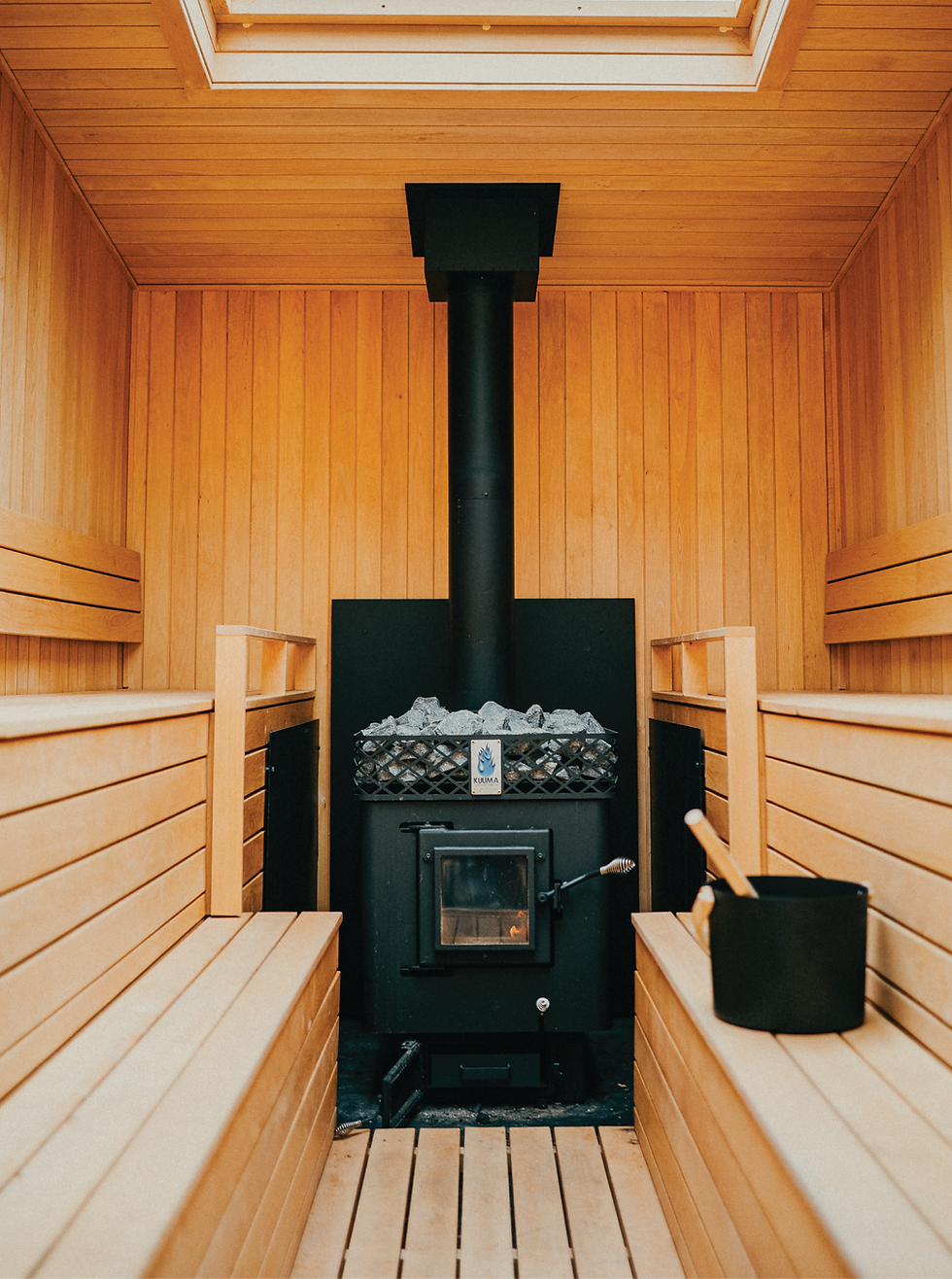
As technology advanced, wood stoves with chimneys replaced smoke filled rooms. In the 20th century, electric saunas, steam saunas, improved ventilation, and adjustable humidity made sauna bathing more accessible. This paved the way for global adoption and helped spread the concept far beyond Northern Europe.
The Rise of Infrared and Digital Saunas
Infrared saunas use light waves to warm the body directly. They are praised for muscle recovery, skin health, and energy efficiency. Digital controls and modern design trends have made saunas a staple in homes, gyms, and wellness centers around the world.
Sauna Culture in the 21st Century
Sauna Tourism and Architecture
Today, sauna culture is undergoing a renaissance. Modern architecture celebrates saunas built on coastlines, floating on lakes, or integrated into community spaces. Examples include Finland’s iconic Löyly sauna and Estonia’s smoke saunas recognized by UNESCO for cultural preservation.
Wellness and the Global Self Care Movement
Saunas are now woven into mainstream wellness routines. They pair naturally with yoga, meditation, breathwork, and especially cold plunging. This mirrors ancient contrast therapy traditions where hot and cold served as a unifying cycle for resilience, clarity, and joy.
Saunas as a Symbol of National Identity
In Finland, sauna culture reflects the idea of sisu inner strength and steady courage. UNESCO listed Finnish sauna culture as Intangible Cultural Heritage in 2020. Sauna continues to unite people across backgrounds and remains a living symbol of peace, connection, and belonging.
H2: FAQs About Sauna History
Which country invented the sauna?
Finland is widely accepted as the birthplace of the modern sauna.
What is the oldest sauna type?
The savusauna or smoke sauna is considered the oldest.
Why were saunas spiritual?
They were tied to rituals of birth, death, healing, and folklore connecting humans to nature and the elements.
When did saunas spread globally?
Saunas expanded across Europe in the 19th and 20th centuries and reached North America during waves of Nordic immigration.
Why do so many cultures use heat bathing?
Because warmth offers recovery, community, and a sense of shared humanity.